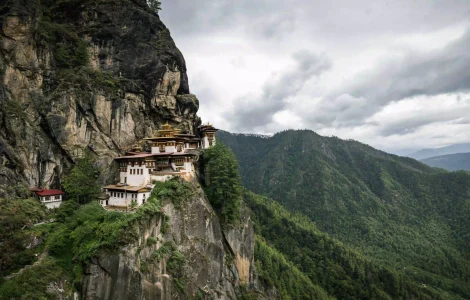
Paro · Thimphu · Punakha · Wangdue Phodrang · Trongsa · Bumthang
Walking the Kingdom’s Ancient Path
Paro · Thimphu · Punakha · Wangdue Phodrang · Trongsa · Bumthang
Along the way, dzongs rise above rivers, monasteries occupy quiet hillsides and villages reveal a way of life still closely connected to agriculture, craftsmanship and Buddhist tradition. The journey begins in Thimphu before crossing the mountains toward Punakha and Wangdue Phodrang. From there, it continues deeper into Central Bhutan through Pele La and Trongsa before reaching Bumthang, where sacred temples and ancient valleys form one of the spiritual heartlands of the kingdom. These are not simply places visited along the way. They are chapters in the history of a trail that once helped hold Bhutan together. By walking between them, even for selected stretches, the landscape begins to reveal itself differently. Distances feel more meaningful. Villages feel more connected. And the kingdom’s history becomes something experienced beneath your feet rather than observed only from the road.
Festival dates vary each year
Available on request
Ideal journey length
Couples and private travelers
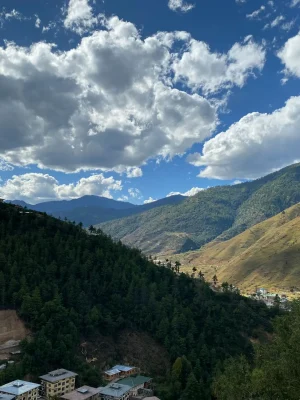
Beyond the city, the road climbs toward Dochula Pass before the walking journey begins along historic paths descending toward Punakha.
From there, the trail continues through rice fields, traditional villages and river landscapes toward Wangdue Phodrang.
These first days reveal what makes the Trans Bhutan Trail distinctive.
History is not confined to monuments.
It is embedded in the paths between them.
Himalayan peaks rise beyond the aircraft windows before the valley appears below, surrounded by forest-covered mountains.
After landing, receive a traditional welcome from your private Bhutanese host and begin the scenic journey toward Thimphu.
Your introduction to Bhutan’s capital begins at Buddha Dordenma, the immense golden figure seated high above the valley.
From its elevated position, take in sweeping views across Thimphu and the surrounding mountains.
Continue to the National Memorial Chorten, where residents gather throughout the day to circumambulate the shrine, turn prayer wheels and offer prayers.
As evening settles over the capital, enjoy a traditional Bhutanese welcome dinner.
Your host will introduce the story of the Trans Bhutan Trail—its role in connecting communities, transporting goods and carrying generations of travelers between valleys before modern roads transformed the kingdom.
Tomorrow, you begin following it on foot.

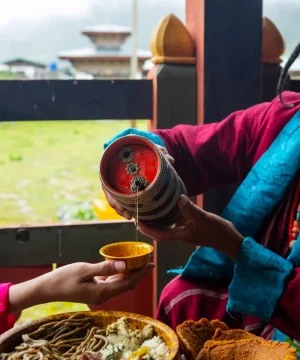
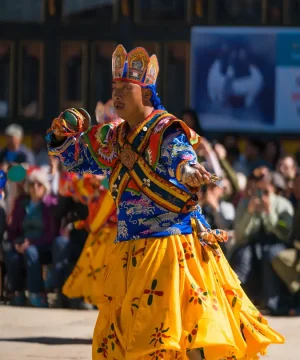
At approximately 3,100 metres, 108 white chortens rise beneath prayer flags and mountain sky.
On clear mornings, Himalayan peaks stretch across the horizon.
From the surrounding region, begin one of the journey’s first walking sections.
Follow historic paths through forest, mountain settlements and agricultural landscapes toward Thinleygang.
The trail descends gradually, revealing how older routes once connected communities separated by ridges and valleys.
Pass traditional farmhouses and fields where seasonal rhythms continue much as they have for generations.
Later, continue toward Punakha.
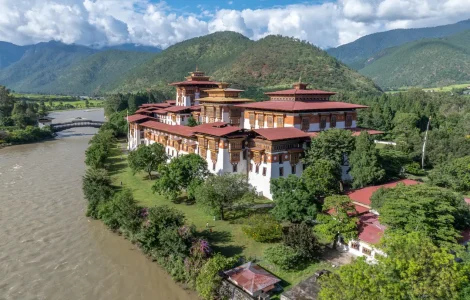
Visit Punakha Dzong, dramatically positioned at the meeting of the Pho Chhu and Mo Chhu rivers.
Walk through its monumental courtyards, sacred chambers and intricately carved galleries while discovering the royal and spiritual history associated with this remarkable fortress.
Spend the evening among the rivers and cultivated hills of Punakha Valley.

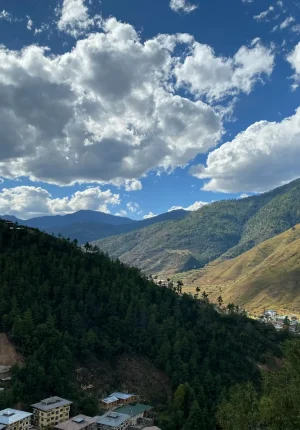

Leave Trongsa and continue toward Bumthang.
Along the way, pause at Chendebji Chorten, a distinctive white stupa standing beside one of the historic routes through Central Bhutan.
Its location offers another reminder that religious landmarks often developed alongside the paths used by travelers moving between valleys.
Continue through mountain landscapes where forests, settlements and old trail sections reveal the geography that once defined movement across the kingdom.
Eventually, the road opens toward the valleys of Bumthang.
Often described as Bhutan’s spiritual heartland, Bumthang contains some of the kingdom’s most important temples, monasteries and sacred landscapes.
Settle into your accommodation and spend the evening amid the quiet atmosphere of Central Bhutan.
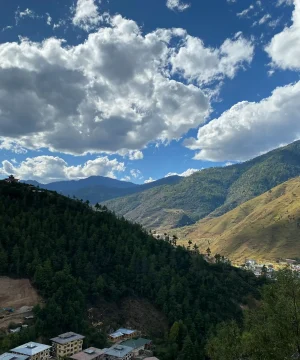
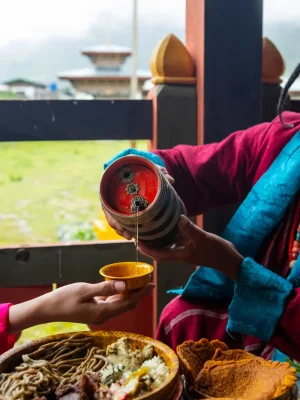
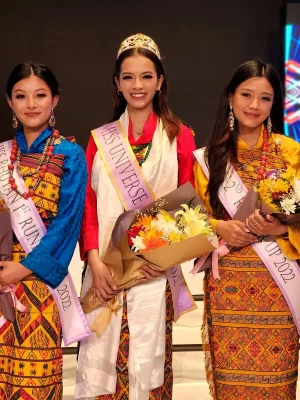
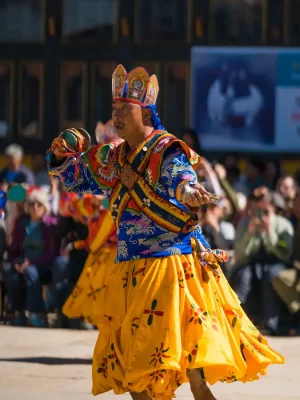
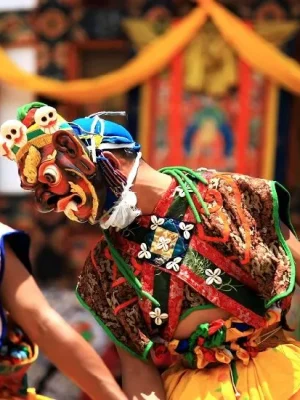
Bumthang is not a single valley but a collection of sacred landscapes. Temples appear beside rivers. Monasteries rise against forested hills. Villages spread across farmland shaped by generations of agricultural life. Here, the Trans Bhutan Trail becomes more intimate. Instead of dramatic crossings, the experience lies in walking between communities, religious sites and cultivated landscapes where the relationship between people and place is visible everywhere.
Spend the day exploring Bumthang at walking pace.
Begin at Jambay Lhakhang, one of the region’s oldest and most revered temples.
Continue toward Kurjey Lhakhang, a sacred complex associated in Bhutanese tradition with Guru Rinpoche.
Walk between religious sites and village landscapes, allowing the geography of the valley to connect each place naturally.
Traditional farmhouses, apple orchards and cultivated fields appear along the way.
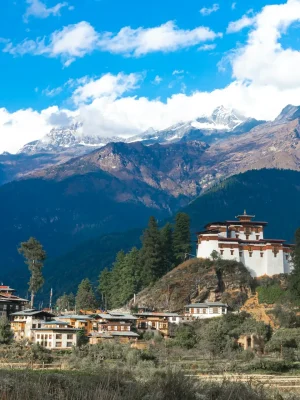
Later, visit Jakar Dzong, standing above the Chokhor Valley.
From its elevated position, look across the landscape you have spent the day exploring on foot.
The journey through Bumthang is gentle compared with the high passes of previous days.
Its rewards are quieter.
Centuries of spiritual history are woven into the valley rather than separated from it.
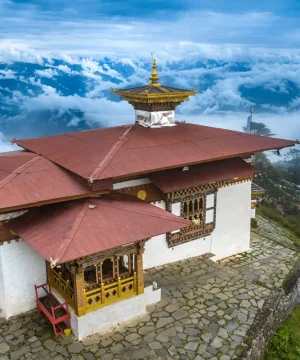
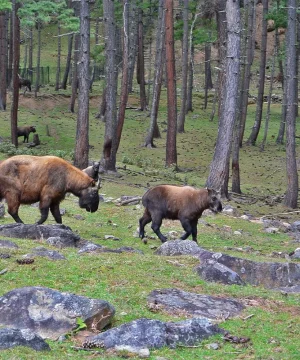
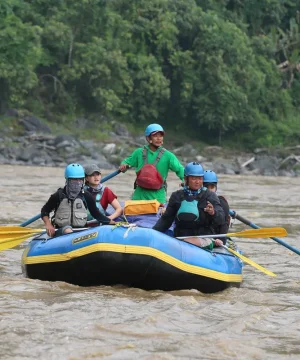
Today is devoted to the communities that give the trail its living character.
Walk between villages and farming landscapes where local paths continue to connect homes, fields, temples and neighboring settlements.
Meet farmers and artisans where appropriate and learn about the skills and seasonal practices that continue to shape rural life.
Traditional crafts may be encountered in workshops or homes, while agricultural activities change according to the season.
The emphasis is not on staged interaction.
It is on observing the ordinary rhythms of life along a historic route.
A farmer working in the fields.
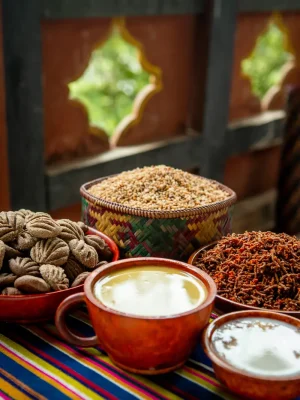
A family preparing food.
Children returning home.
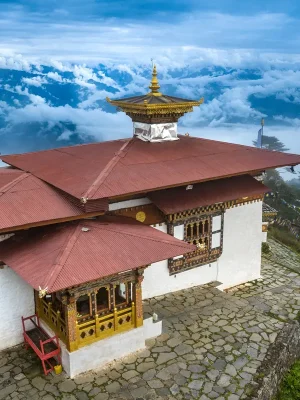
Prayer flags moving beside a village trail.
These small moments help explain why the Trans Bhutan Trail is more than a restored trekking route.
It remains part of a living cultural landscape.


The journey now turns west.
But the return does not simply repeat what came before.
Walking additional sections of the trail reveals new perspectives on landscapes first seen from the road.
Forests, passes and river valleys feel different once experienced at a slower pace.
The route returns through Trongsa and Punakha before reaching Thimphu.
With each stage, the journey moves from ancient pathways back toward the capital.
Leave Bumthang and begin returning through Central Bhutan.
Walk selected sections of the Trans Bhutan Trail through forests and mountain landscapes before reconnecting with your private vehicle.
Pause at viewpoints overlooking deep valleys and distant ridges.
The route offers time to appreciate the scale of the country and the effort once required to travel between its regions.
Continue toward Trongsa.
Arrive later in the day and settle into a relaxed evening.
By now, the ancient trail has become more than a historical idea.
You have felt its gradients, crossed its forests and understood the distances it once represented.
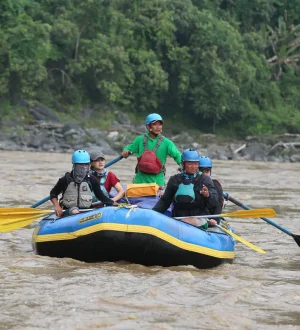
Your final morning unfolds amid the tranquility of Paro Valley.
Take time to reflect on the experiences that have defined the journey: old paths beneath forest canopies, prayer flags on mountain passes, sacred monasteries, farming villages and conversations shared along the way.
Your private transfer will take you to Paro International Airport for your departing flight.
As the aircraft rises above the valley, Bhutan begins to unfold below as mountains, rivers and distant settlements.
The trail itself soon disappears from view.
Its purpose becomes clearer.
For generations, it connected people.
For a few remarkable days, it connected you with the kingdom.
Departure from Paro.
Start your bespoke adventure with us
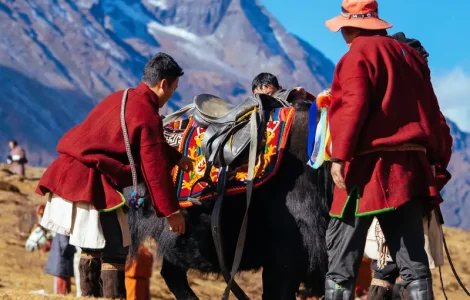
Himalayan wilderness
NATURE & CULTURE
CALTURAL TOUR
CELEBRATION TOUR
BEST SELLER
Himalayan valleys
LET’S DESIGN YOUR JOURNEY
SD Travel Group is a trusted travel company offering customized Bhutan packages with reliable local expertise.
@2026 SD Travels Group Pvt. Ltd.- All Rights Reserved.
:max_bytes(150000):strip_icc()/GettyImages-133969846-596da35068e1a200112a3e89.jpg)